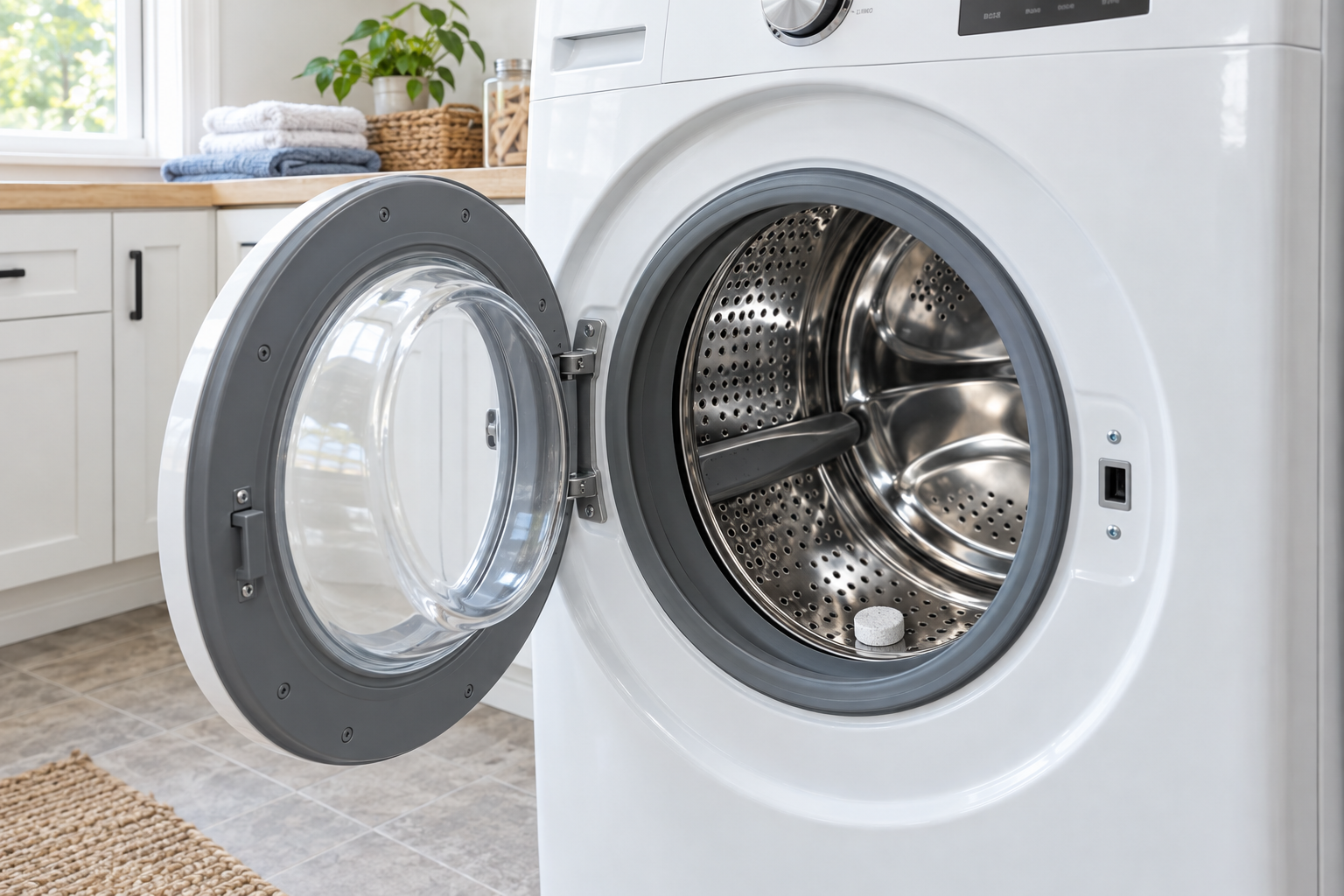
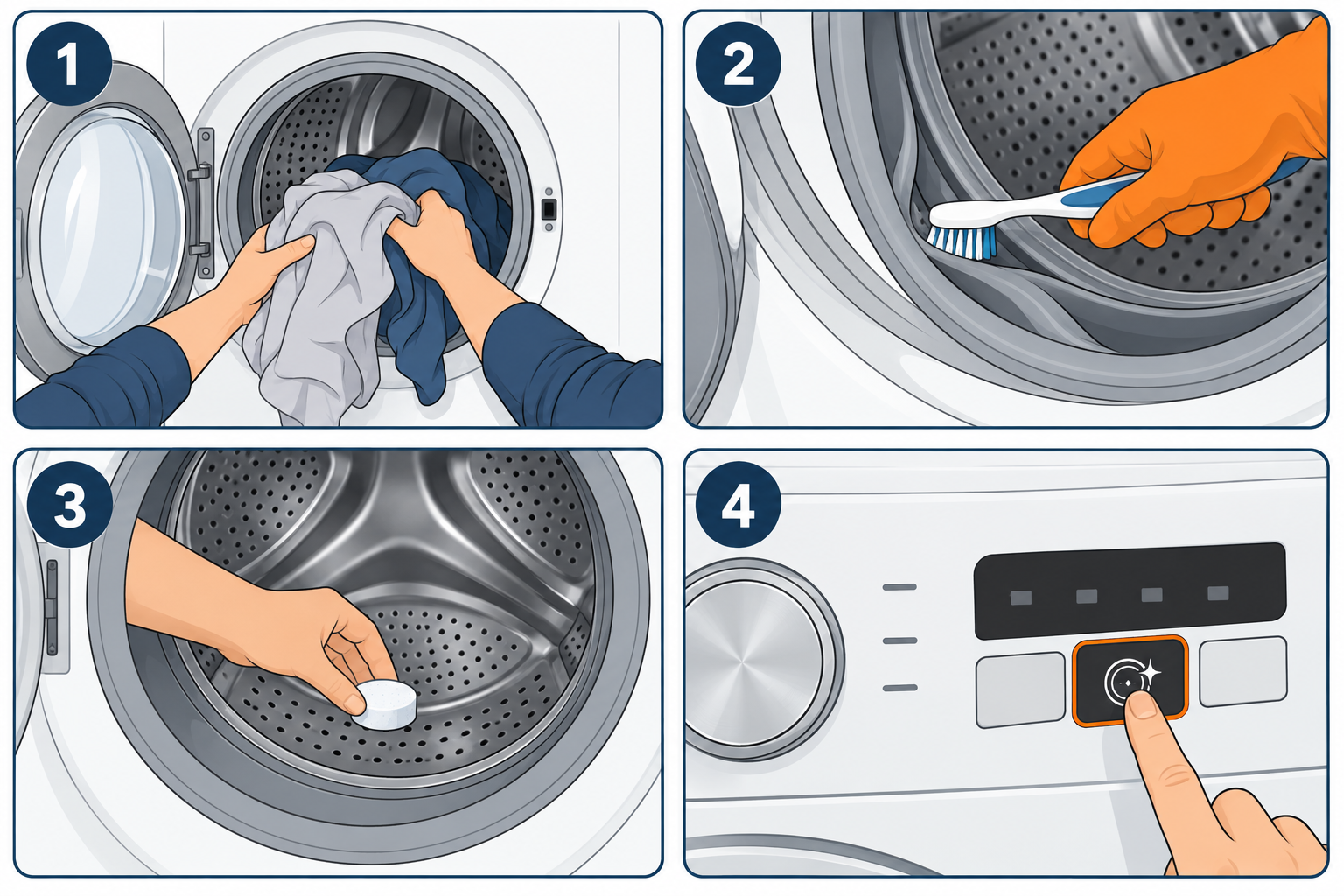
To use Affresh washer cleaner, unwrap one tablet, drop it directly into the empty drum (not the detergent drawer), and run your washer’s Clean Washer cycle or its hottest, longest normal cycle with no clothes or detergent. Repeat monthly or every 30 washes. Use one tablet per cycle for three cycles in a row if the machine already smells.
Quick steps: clean a washer with Affresh
- Empty the drum and pull out anything left behind.
- Wipe loose gunk from the door seal, drum lip and dispenser.
- Unwrap one Affresh tablet and place it in the bottom of the drum.
- Select Clean Washer (or hottest, largest, longest cycle).
- Start it with no clothes, no detergent, no bleach.
- Wipe the gasket dry, check the drain filter, leave the door open.
Tools and materials
- Affresh Washing Machine Cleaner tablets (one per cycle, three for a deep clean)
- Microfiber cloths (2-3)
- Old toothbrush or soft nylon detail brush
- Spray bottle with warm water and a squirt of dish soap
- Shallow baking pan or low bucket plus a towel (front-load drain filter)
- Flat screwdriver or coin (some filter access panels)
- Nitrile gloves
Safety first
Affresh tablets contain sodium percarbonate, an oxygen bleach that irritates eyes and skin. Wear gloves, keep tablets away from kids and pets, and never add chlorine bleach or vinegar to the same cycle. Unplug the washer before opening the drain filter panel.
How Affresh Actually Cleans Your Washer
Affresh is made by Whirlpool Corporation, which is why Whirlpool, Maytag and KitchenAid washers have a cycle literally labeled “Clean Washer with affresh.” The tablets work in any brand, including LG, Samsung, GE, Electrolux and Speed Queen, in both front-load and top-load machines.
The problem it targets is invisible until it stinks. Every load leaves a thin film of detergent, fabric softener, body oil and lint on the outer tub, the side you never see. Low-water HE machines and cold-water washing make that film thicker. Bacteria and mold feed on it, and the result is the musty odor that transfers onto “clean” towels.
The tablet’s two main actives handle different parts of that film:
| Ingredient | What it is | What it does in your washer |
|---|---|---|
| Sodium carbonate | Washing soda, strongly alkaline | Breaks down soap scum and oily residue, softens hard water so minerals don’t redeposit |
| Sodium percarbonate | Oxygen bleach (sodium carbonate bound to hydrogen peroxide) | Releases oxygen in hot water, which lifts organic buildup and kills odor-causing growth |
| Minor ingredients | Binders and surfactants | Hold the tablet together and help it dissolve and rinse clean |
Affresh publishes its full ingredient list on its website if you want the minor components. The two actives above do the heavy lifting, and both need hot water and a full cycle to work. That shapes every step below.
Step 1: Empty the Drum and Check for Problems
Open the door or lid and remove everything. A single sock left in the drum will soak up foam and can keep the tablet from tumbling freely.
Run your hand around the inside of the drum and check the holes for coins, bobby pins or underwire. On a top loader with an agitator, look under the agitator cap if it lifts off, since lint and softener goo collect there.
While you’re looking, note what you’re dealing with. A faint musty smell means routine buildup and one tablet will handle it. Gray slime in the dispenser, black specks on clothes, or a sour smell that hits you when you open the door means heavy buildup, and you should plan the three-tablet treatment covered later.
Step 2: Pre-Clean the Gasket and Dispenser
The tablet cleans what water touches during the cycle. It does a poor job on the folds of a front-load door seal and the dispenser drawer, which sit outside the main wash water. Ten minutes here makes a visible difference.
Front-load door gasket. Pull the rubber boot back gently with your fingers. You’ll usually find a ring of gray scum, hair, lint and sometimes a lost earring in the bottom fold. Pick out the debris, spray with warm soapy water, and scrub with the toothbrush. Wipe it dry.
Dispenser drawer. Most front-load drawers pull out completely if you press a release tab (often marked “Push” in the softener compartment) and pull. Rinse it under hot tap water and brush out the slime. Wipe the cavity it slides into, especially the ceiling, where mold hides.
Top-load rim and lid. Wipe under the rim of the tub opening and around the lid hinge. On machines with softener or bleach dispensers built into the agitator or tub rim, flush them with hot water.
Pro tip
If black spots on the gasket won’t come off with soap and a brush, the mold has rooted into the rubber. Affresh and bleach can lighten it, but they won’t remove it. Those spots are cosmetic unless the smell keeps coming back, in which case the gasket needs replacing.
Step 3: Unwrap the Tablet and Put It in the Drum
Each Affresh tablet comes individually sealed. Tear the wrapper off completely; it does not dissolve.
Place the bare tablet directly in the drum:
- Front loader: Set it on the bottom of the drum, toward the back.
- HE top loader (impeller, no agitator): Set it on the center of the wash plate.
- Top loader with agitator: Drop it in the bottom of the basket next to the agitator post.
Do not put the tablet in the detergent dispenser. It can lodge there, dissolve partially, and leave a gritty paste that clogs the drawer. Affresh’s own directions call for the drum, and so does every manufacturer manual that mentions it.
Don’t add detergent, bleach, vinegar or softener. Extra chemistry doesn’t boost the tablet. Chlorine bleach reacts with the percarbonate and both lose strength, while detergent creates suds that cushion the scrubbing action.
Step 4: Choose the Right Cycle
If your washer has a dedicated cleaning cycle, use it. These cycles run hotter, use more water and agitate longer than a normal wash, and on many models they fill above the usual water line to reach residue higher on the tub.
Here’s what the cycle is called on common brands:
| Brand | Cleaning cycle name | Notes |
|---|---|---|
| Whirlpool, Maytag, KitchenAid | Clean Washer with affresh | Designed around the tablet; some models flash a reminder after a set number of loads |
| LG | Tub Clean | Some models beep a reminder every 30 washes |
| Samsung | Self Clean or Pure Cycle | Many models remind you after about 40 cycles |
| GE | Basket Clean or Tub Clean | Name varies by series |
| Electrolux, Frigidaire | Clean Washer | Some top loaders list it as Clean Washer in a cycle menu |
| Speed Queen and basic top loaders | Usually none | Use the manual settings below |
No cleaning cycle? Set the washer to the hottest water temperature, largest load size or highest water level, heaviest soil level, and the longest cycle available (Heavy Duty, Bulky or Whites usually). Add Extra Rinse if you have it. This gets close to what a dedicated cycle does.
Check your water heater, too. If your tank is set to 120°F and sits at the far end of the house, a hot fill on a washer without an internal heater may arrive closer to 100°F. Percarbonate works far better in genuinely hot water. Run the kitchen tap until it’s hot before you start, so the first fill isn’t cold pipe water.
Step 5: Run the Full Cycle Without Interrupting It
Close the door, press Start and leave it. A cleaning cycle runs anywhere from about 1 to 2.5 hours depending on brand and model. Front-load models with internal heaters tend to run longer because they heat the water in the drum.
You may see some foam or cloudy water through a front-load door. That’s normal; it’s the tablet dissolving and lifting residue. If you see a lot of suds and an error code, that’s leftover detergent being released, which tells you the cleaning was overdue (more in the troubleshooting table).
Don’t pause the cycle partway to “let it soak” unless your manual says to. The cleaning cycles are designed with their own soak and agitation timing, and interrupting them can leave undissolved tablet residue.
Step 6: Wipe Down, Clean the Drain Filter and Air It Out
When the cycle ends, open the door and wipe the gasket and drum lip with a dry microfiber cloth. You’ll often pick up loosened gray film that didn’t make it down the drain.
Front loaders: clean the drain pump filter. This step gets skipped constantly, and it’s a top cause of lingering odor. The filter sits behind a small door at the bottom front corner of most front loaders.
- Unplug the washer.
- Open the access panel (some pop open, some need a coin or flat screwdriver).
- Put the shallow pan and towel underneath. If there’s a small drain tube, pull it out, uncap it and let it empty into the pan first.
- Turn the filter counterclockwise slowly. Expect water; a quart or more is common.
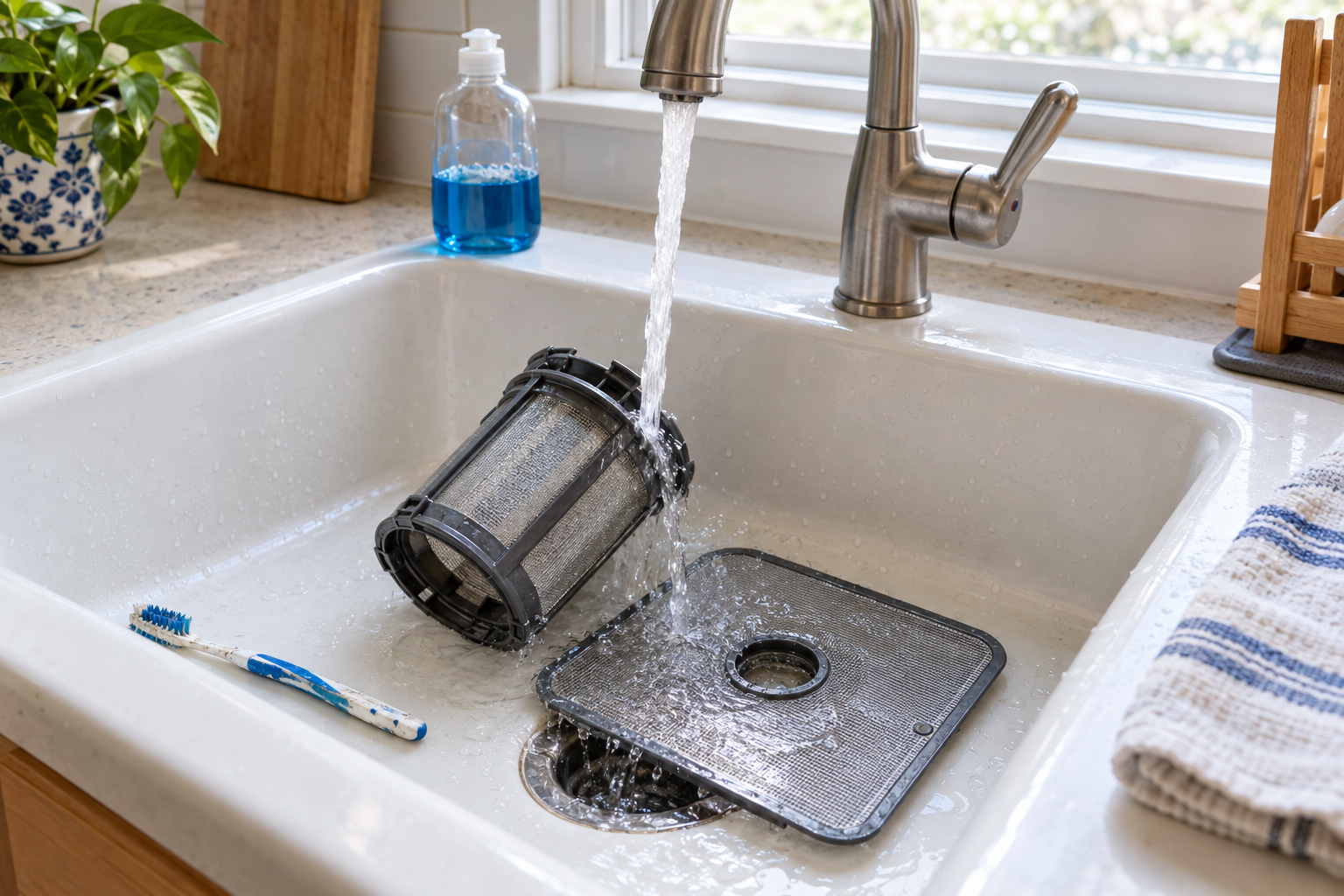
- Pull out lint, hair, coins and the slimy gray mat that collects on the mesh. Rinse it in the sink.
- Thread it back in clockwise until hand-tight and make sure it’s square. A crooked filter will leak.
Top-load washers usually have no user-serviceable filter, though some older models have a lint trap in the agitator or along the top edge of the tub. Check your manual.
Leave the door and dispenser drawer cracked open between loads from now on. A front loader sealed shut with a damp gasket rebuilds odor within days. A magnetic door prop costs a few dollars if kids or pets make an open door a problem.
The Three-Tablet Deep Clean for Heavy Buildup
For a washer that already smells, that’s never been cleaned, or that you just moved into a house with, one tablet won’t strip months or years of residue. Affresh’s directions call for three consecutive cycles, one tablet per cycle.
Run them back to back on the same day if you can. Do the pre-clean from Step 2 before the first cycle, and clean the drain filter after the third, since that’s when it will hold the most loosened debris.
After the third cycle, run one wash with a few old towels and a normal dose of detergent. If the towels come out smelling neutral, you’re done. If they still smell musty, the source is probably outside the drum (see troubleshooting).
How Often to Use Affresh
The standard recommendation printed on the package is once a month or every 30 washes, whichever comes first. Adjust from there based on how you use the machine.
| Your situation | Suggested frequency |
|---|---|
| Small household, mostly warm or hot washes | Every 6-8 weeks |
| Average family, mixed loads | Monthly |
| Large family, daily loads, mostly cold water | Every 2-3 weeks |
| Heavy fabric softener use or hard water | Every 2-3 weeks |
| Odor already present | Three tablets in a row, then monthly |
If your washer shows a clean-cycle reminder, follow it. It counts cycles more accurately than your memory does.
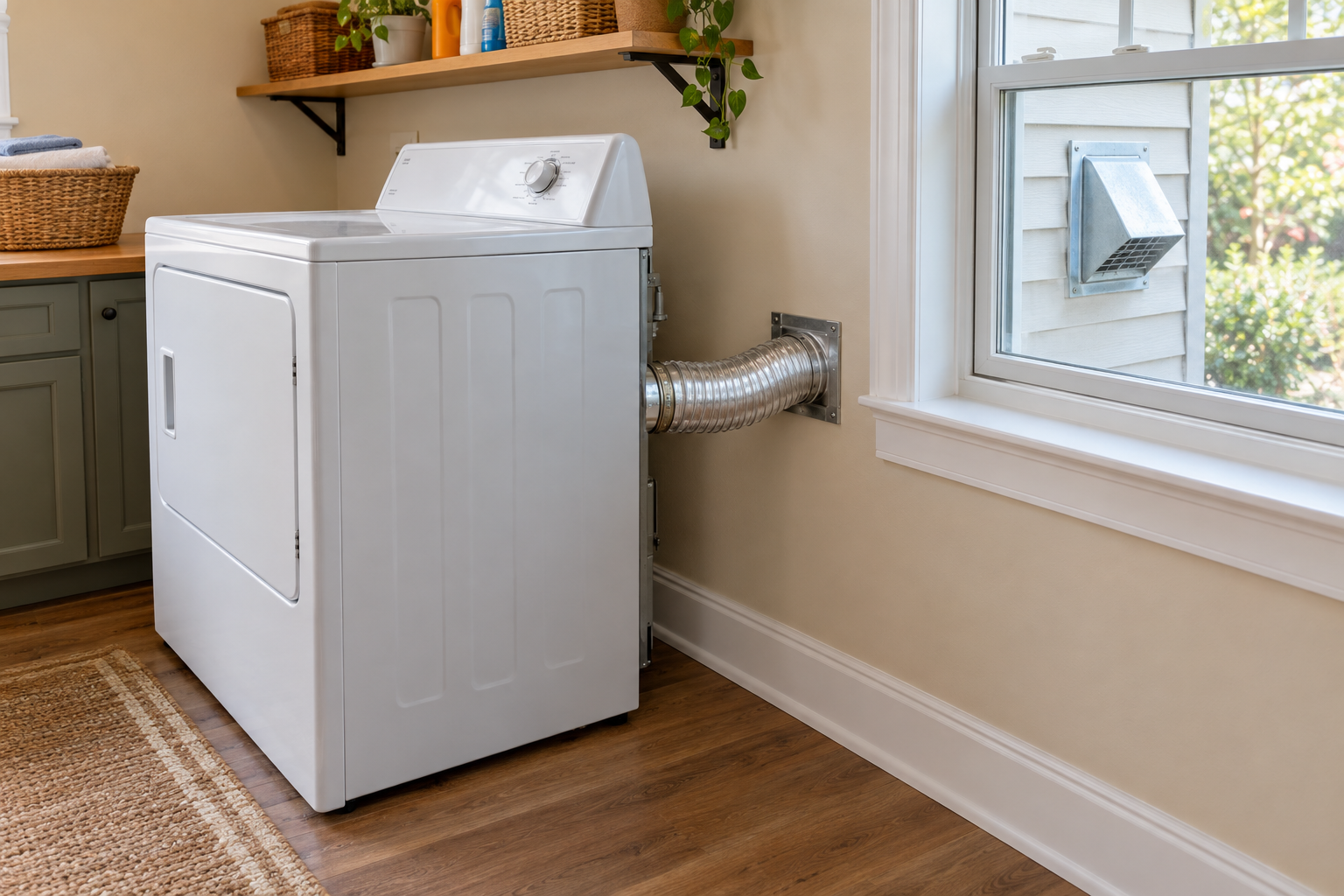
Pairing Affresh with a monthly appliance routine keeps everything on one calendar. The same day works well to clean the “dishwasher filter,” and every few months is a good time to check the “clothes dryer vent,” since lint buildup there is a fire risk the washer can’t help with.
Common Mistakes That Waste a Tablet
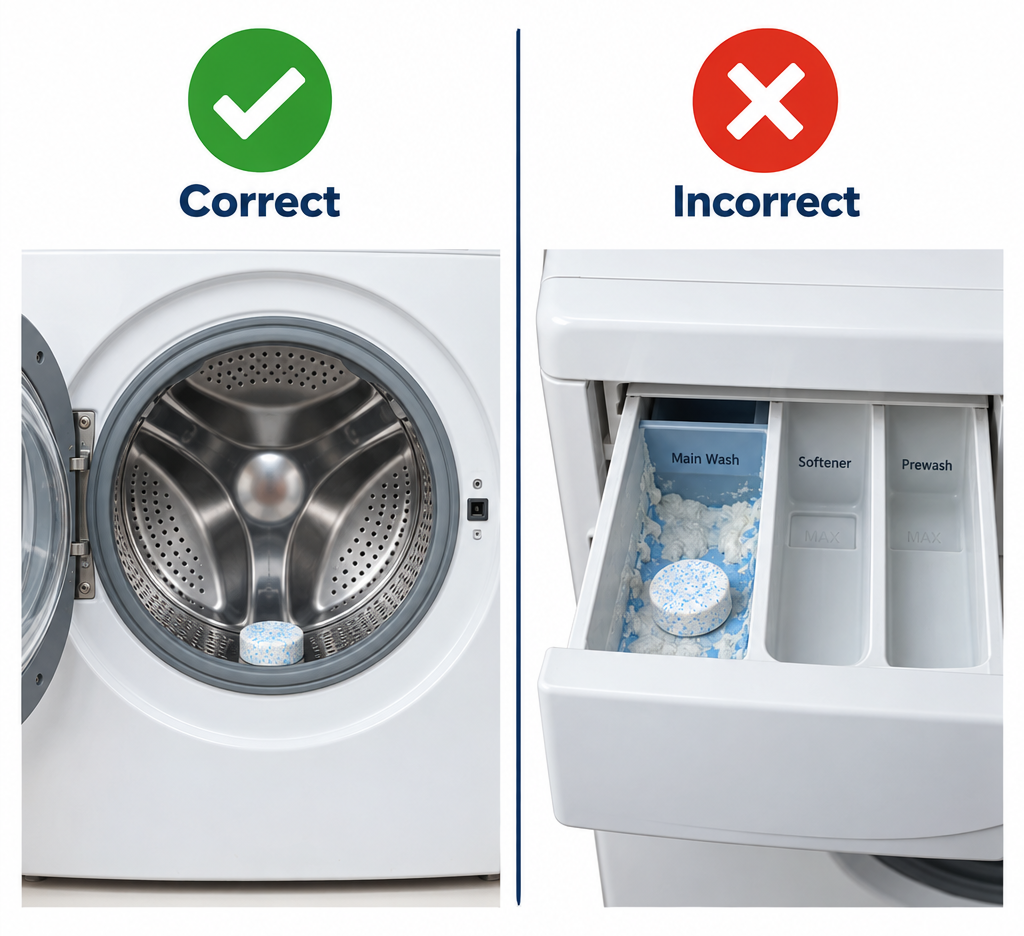
- Putting the tablet in the dispenser. It can’t dissolve properly there and clogs the drawer.
- Leaving the wrapper on. The film doesn’t dissolve and the tablet won’t release.
- Running a cold or quick cycle. Percarbonate barely activates in cold water, and a 30-minute cycle doesn’t give it time.
- Adding bleach, vinegar or detergent. They either neutralize the active ingredient or create suds that blunt it.
- Skipping the gasket and filter. The tablet can’t reach the gasket folds, and a clogged filter keeps re-contaminating the tub with dirty water.
- Closing the door right after. Trapped moisture starts the regrowth cycle immediately.
- Overdosing detergent afterward. HE machines need about 2 teaspoons of HE detergent concentrate for a normal load, far less than the cap line suggests. Excess detergent is the main source of the buildup you just removed.
What Results to Expect
After one cycle on a routinely maintained washer, you should notice a cleaner, neutral smell when you open the door and no gray film on the drum lip. After the three-tablet treatment on a neglected machine, expect the musty odor to be gone or close to it, the dispenser to stay cleaner, and towels to stop smelling sour when they sit damp for a few hours.
What Affresh won’t do: remove mold stains rooted into rubber, fix a slow drain, clear a clogged drain standpipe, or eliminate sewer gas from a dry trap. If you still smell something after a proper deep clean, the source is somewhere else, and the table below will help you find it.
Affresh vs. the Alternatives
The most-upvoted take in appliance forums is that Affresh is “just” oxygen bleach and washing soda in a convenient tablet. That’s broadly accurate, and it isn’t a knock. It’s a pre-measured, washer-safe dose of chemistry that works. You’re paying for convenience and consistency.
| Cleaner | Active chemistry | Rough cost per clean | Strengths | Drawbacks |
|---|---|---|---|---|
| Affresh tablet | Sodium carbonate + sodium percarbonate | About $2-3 | Pre-measured, made for the Clean Washer cycle, safe on seals | Highest cost per use |
| Store-brand washer tablets | Similar oxygen-bleach blends | About $1-2 | Cheaper, same idea | Formulas vary; check the ingredients |
| Powdered oxygen bleach (OxiClean-type) | Sodium percarbonate + sodium carbonate | Under $1 | Same core chemistry, very cheap | You measure it yourself; can over-suds if the product contains surfactants |
| Liquid chlorine bleach | Sodium hypochlorite | Under $0.50 | Strong disinfectant; many manuals list it for the clean cycle | Harsh smell, can fade nearby fabrics, needs a rinse cycle after |
| White vinegar | Acetic acid | About $0.50 | Cuts mineral scale | Weak on soap scum and organic film; several manufacturers warn repeated use can degrade rubber seals and hoses |
| Baking soda | Sodium bicarbonate | Under $0.50 | Mild deodorizer | Much weaker than washing soda; barely touches buildup |
If you use chlorine bleach instead, follow your manual’s measurement exactly. Many Whirlpool manuals call for roughly 2/3 to 1 cup of liquid chlorine bleach in the bleach dispenser on the cleaning cycle, depending on the model. Never mix bleach and vinegar in the same cycle or on the same cloth; together they release chlorine gas.
Pro tip
Alternate. Use Affresh or oxygen bleach most months, and a manufacturer-approved chlorine bleach clean cycle once or twice a year for a stronger disinfection pass. Oxygen bleach handles residue better; chlorine handles mildew better.
Troubleshooting
| Symptom | Likely cause | Fix |
|---|---|---|
| Tablet residue or white grit left in drum | Water too cold, tablet in dispenser, or very short cycle | Rerun on the hottest, longest cycle with no tablet; place future tablets in the drum bottom |
| Heavy suds and a suds error code during the cycle | Old detergent residue being released | Let it finish or run a rinse-and-spin; cut your detergent dose going forward |
| Musty smell returns within a week | Dirty drain filter, wet gasket folds, door kept closed | Clean the drain filter, dry the gasket after each use, leave door open |
| Smell persists after three tablets | Mold rooted in gasket, or odor coming from the drain standpipe or trap | Sniff the standpipe behind the washer; pour a gallon of water into a dry trap; replace the gasket if spotted |
| Black flakes on clothes after cleaning | Loosened biofilm from the outer tub | Run one or two more hot empty cycles; normal after a first deep clean |
| Dispenser still slimy | Tablet never reaches the drawer cavity | Remove and scrub the drawer by hand monthly |
| Water left in drum at end of cycle | Clogged drain filter or pump, kinked drain hose | Clean the filter; check hose behind the machine; call a tech if the pump hums but won’t drain |
| Washer won’t start the Clean Washer cycle | Door lock fault or load detected in drum | Make sure the drum is fully empty and the door clicks shut; check manual for the code |
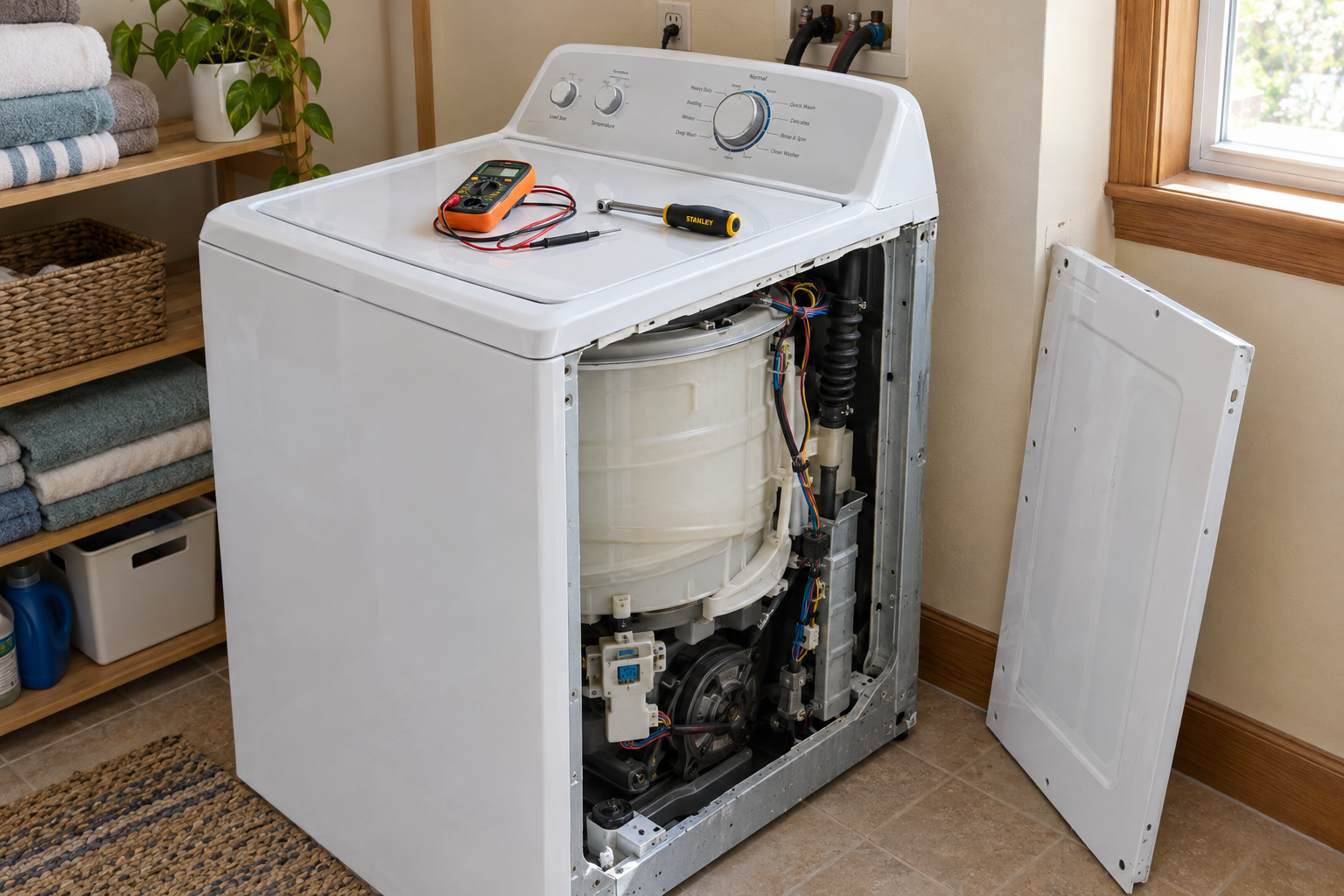
If cleaning uncovers a bigger fault, like a pump that won’t drain, a leak, or a door that won’t lock, our guide on how to fix a “washing machine” walks through the most common problems. For a full hand-clean beyond the tablet, including the agitator and top-load tub rim, see our step-by-step “washing machine” cleaning guide.
When to call a pro
Call an appliance repair technician if the washer won’t drain after you’ve cleaned the filter, if you see water on the floor during the cleaning cycle (often a torn gasket, cracked tub or loose pump hose), or if the pump hums without moving water. If the rotten-egg or sewage smell comes from the wall drain rather than the machine, call a plumber; that’s a venting or trap problem. Gasket replacement on most front loaders means removing the front panel and door clamp rings, which is doable for a confident DIYer, but a tech typically charges $150-300 including the part.
FAQ
Does Affresh really clean your washer?
Yes. Its sodium percarbonate and sodium carbonate break down the detergent, softener and body-oil film on the outer tub that causes musty odors. It works best in hot water on a dedicated cleaning cycle and won’t fix mold rooted in rubber, a clogged drain filter or plumbing smells. Most people notice the difference after one to three cycles.
What can I use instead of Affresh to clean my washing machine?
Powdered oxygen bleach gives you the same core chemistry for well under a dollar per clean. Liquid chlorine bleach is listed in many manufacturer manuals for the clean cycle and is the better choice for mildew. Store-brand washer tablets also work if their main ingredients are sodium percarbonate and sodium carbonate.
Is Affresh just baking soda?
No. Baking soda is sodium bicarbonate, a mild alkali. Affresh uses sodium carbonate (washing soda), which is considerably stronger, plus sodium percarbonate, an oxygen bleach. Baking soda alone deodorizes a little but does almost nothing to the scum and residue Affresh is designed to remove.
Is Affresh better than vinegar?
For washer cleaning, yes. Vinegar is an acid that dissolves mineral scale, but most washer buildup is soap scum and organic film, which alkaline cleaners and oxygen bleach handle far better. Several washer manufacturers also caution that repeated vinegar use can degrade rubber seals and hoses. Save vinegar for occasional hard-water scale if your manual allows it.
Can I use Affresh in a top-load washer with an agitator?
Yes. Drop the unwrapped tablet in the bottom of the basket beside the agitator and run the hottest, largest, longest cycle. Lift off the agitator cap first if it comes off and clean out any softener gunk underneath.
Is Affresh safe for septic systems?
At one tablet a month, yes in practical terms. Sodium percarbonate breaks down into oxygen, water and sodium carbonate, and the dose is small compared with your septic tank volume. It’s far gentler on septic bacteria than repeated heavy chlorine bleach use.
Can I run Affresh with clothes in the washer?
No. The tablet is designed for an empty drum. Clothes absorb the cleaner, block the tumbling action, and can get spotted by concentrated oxygen bleach before it fully dissolves.