
How to install or replace a storm or screen door
To install a storm door, you measure the opening inside the exterior brick molding, buy a door sized to it, and screw a cut-to-length hinge rail, drip cap and latch
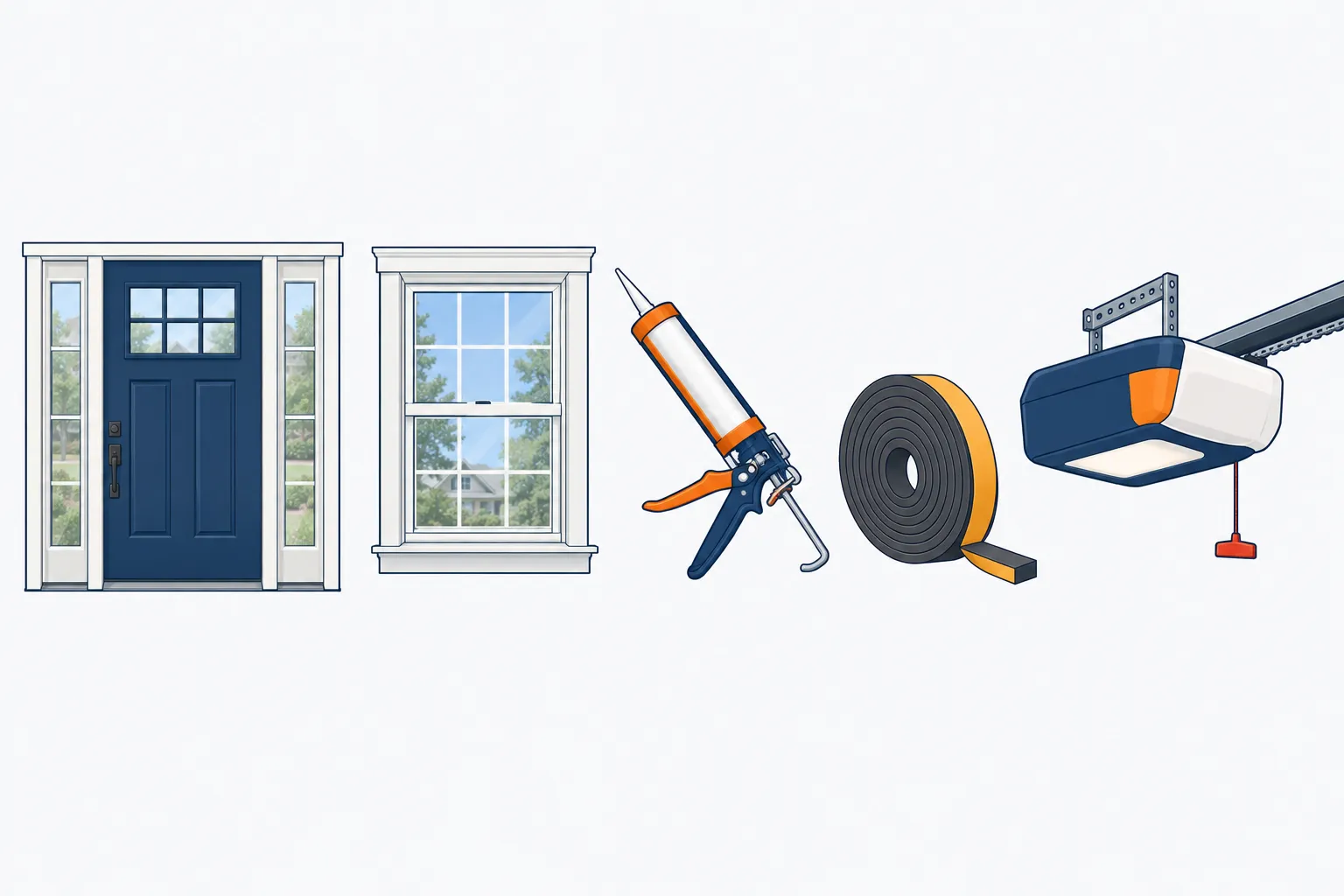
This section covers the openings in your house and the hardware that makes them work. You'll find help framing a doorway and sizing the rough opening, weather stripping a drafty entry door, and figuring out why a garage door opener has stopped responding. It also covers window replacement, curtains and tint, and the locks and security systems that keep the place shut tight at night.
Most of this work is fair game for a careful homeowner with a level and some patience. Two exceptions: garage door torsion springs, which store enough force to cause serious injury and belong to a trained tech, and any new opening cut into a load-bearing wall, which needs a properly sized header and often a permit.
Exterior doors and windows only perform as well as the flashing and siding around them, so our roofing and exterior work guides pick up where the trim ends. If you're short a pry bar, shims or a decent drill, start with DIY tool basics.
Hanging and adjusting entry, patio and interior doors, plus garage doors and the openers that drive them.
Replacing windows, sealing drafts, adding tint, and mounting curtains or blinds that hang straight.
Rekeying and swapping locks, knowing when to call a locksmith, and setting up a home security system.
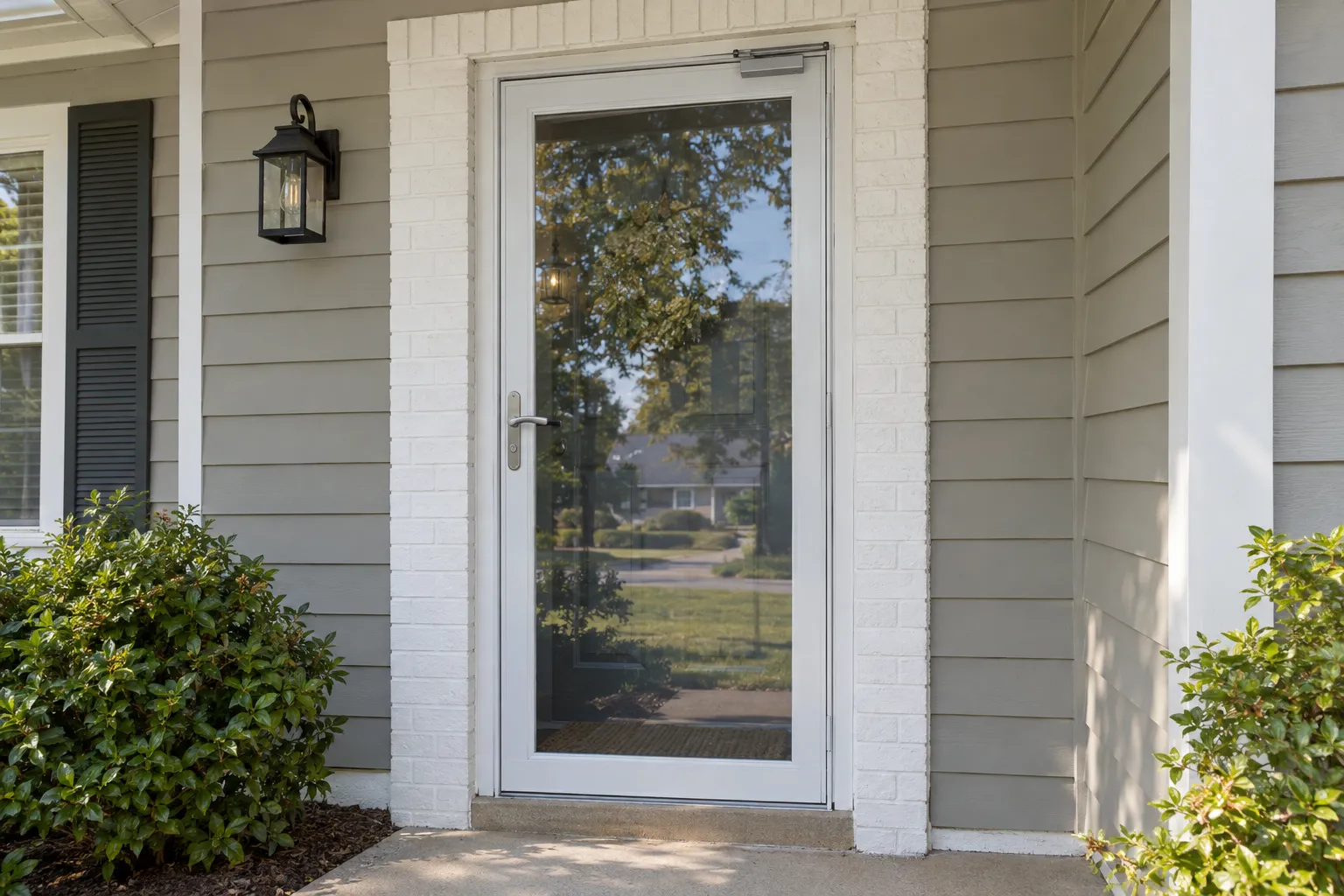
To install a storm door, you measure the opening inside the exterior brick molding, buy a door sized to it, and screw a cut-to-length hinge rail, drip cap and latch
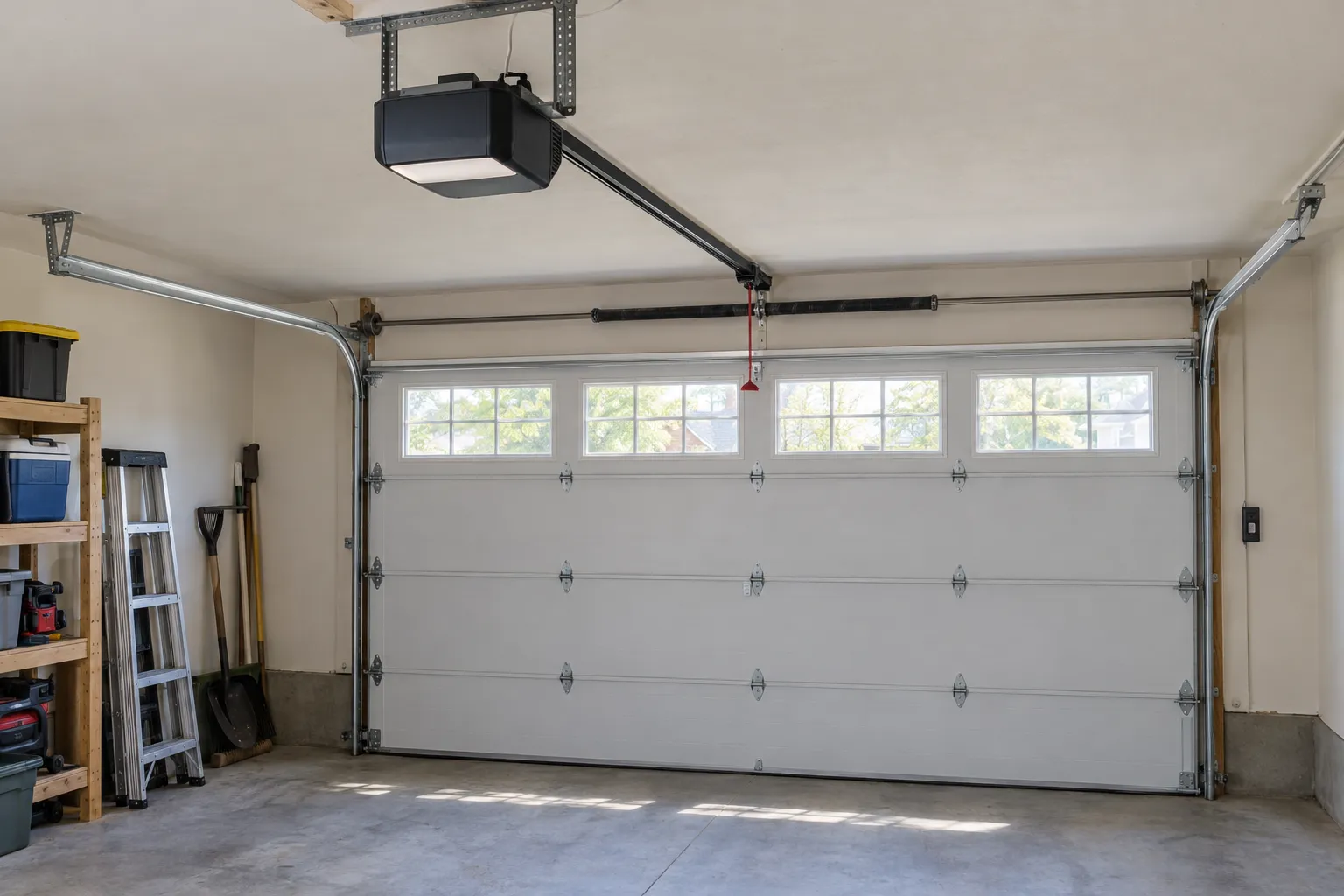
Changing a garage door opener is a half-day job for one person with a 6-foot stepladder, a drill and a socket set, and a new chain or belt drive unit
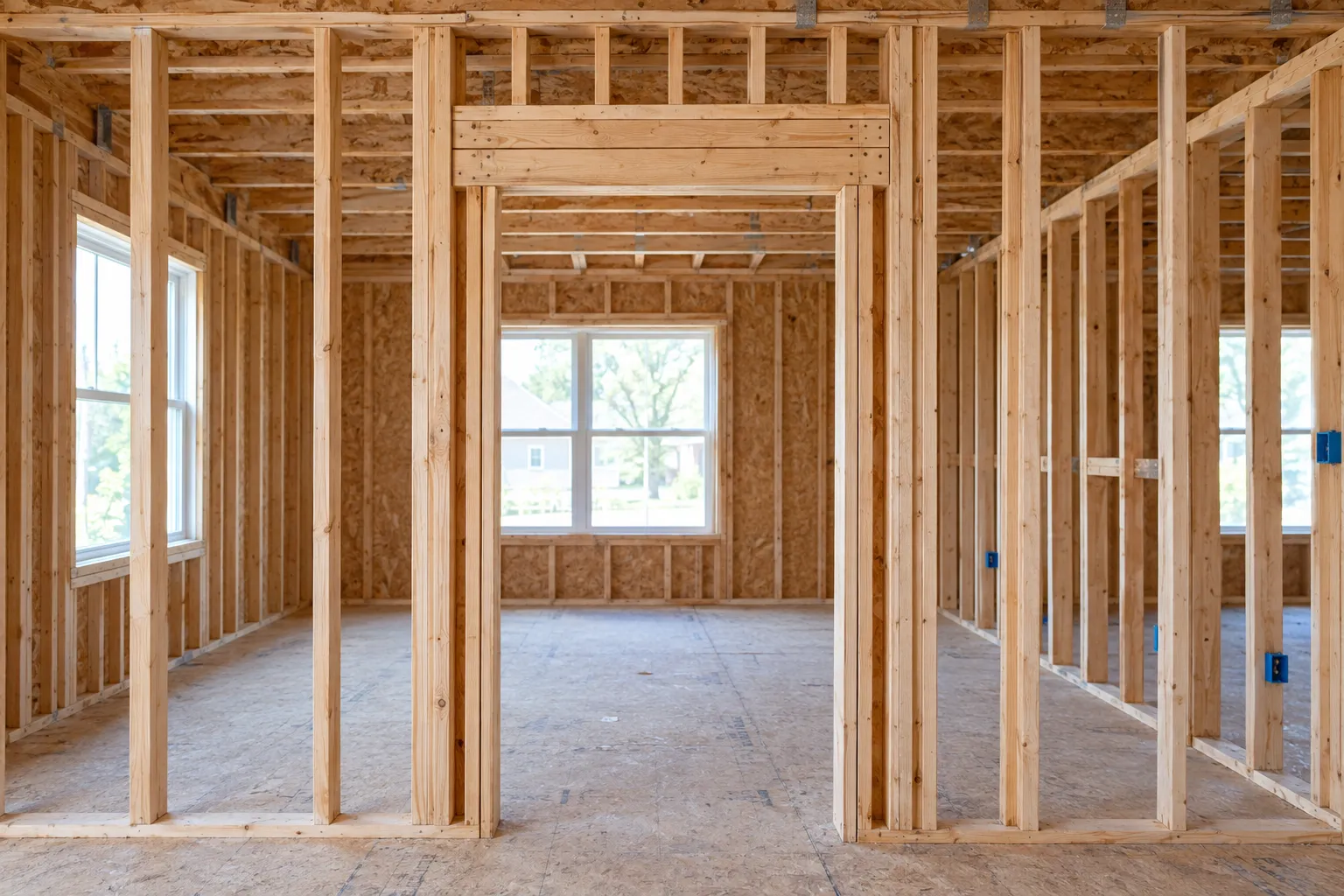
Frame a doorway by adding 2 inches to the door width and 2-1/2 inches to its height, then building that opening with king studs, jack studs, a header and cripples.
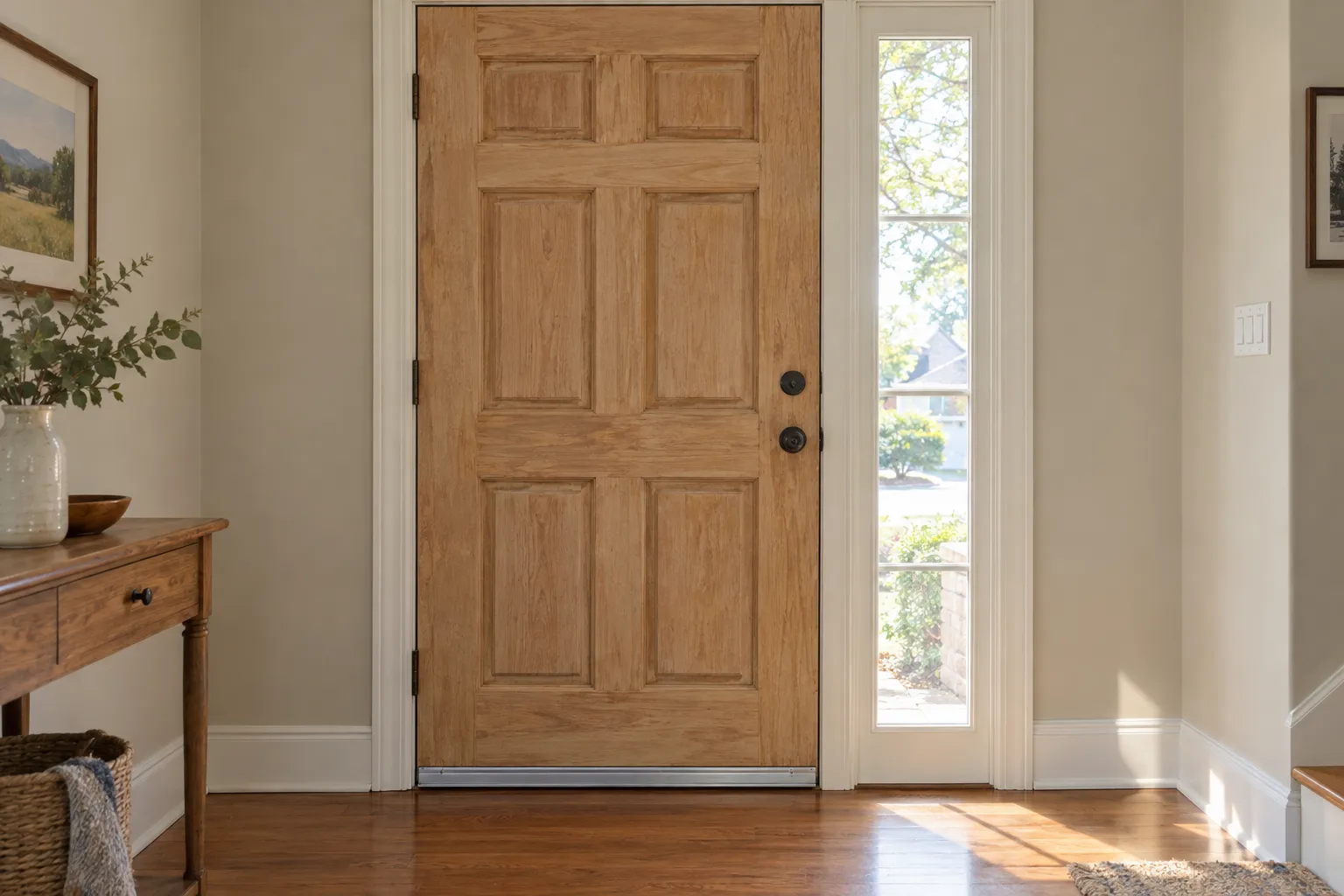
To weather strip a door, you seal the three sides of the frame with a compression strip (foam tape, V-strip or a kerf-in gasket) and seal the bottom with a
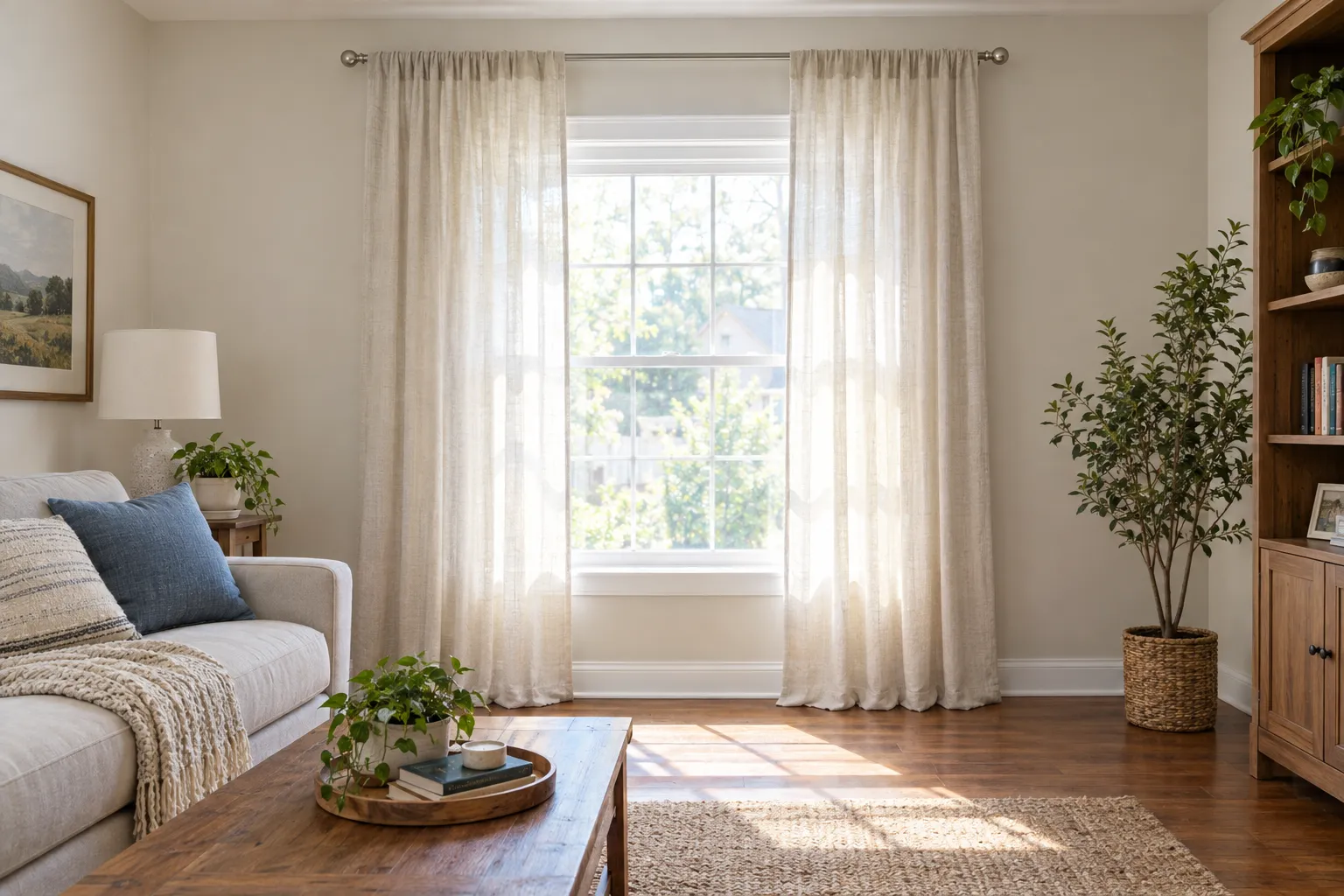
Hang the rod 4 to 6 inches above the window frame and 3 to 6 inches past each side, use anchors rated for the weight, then thread the curtains on
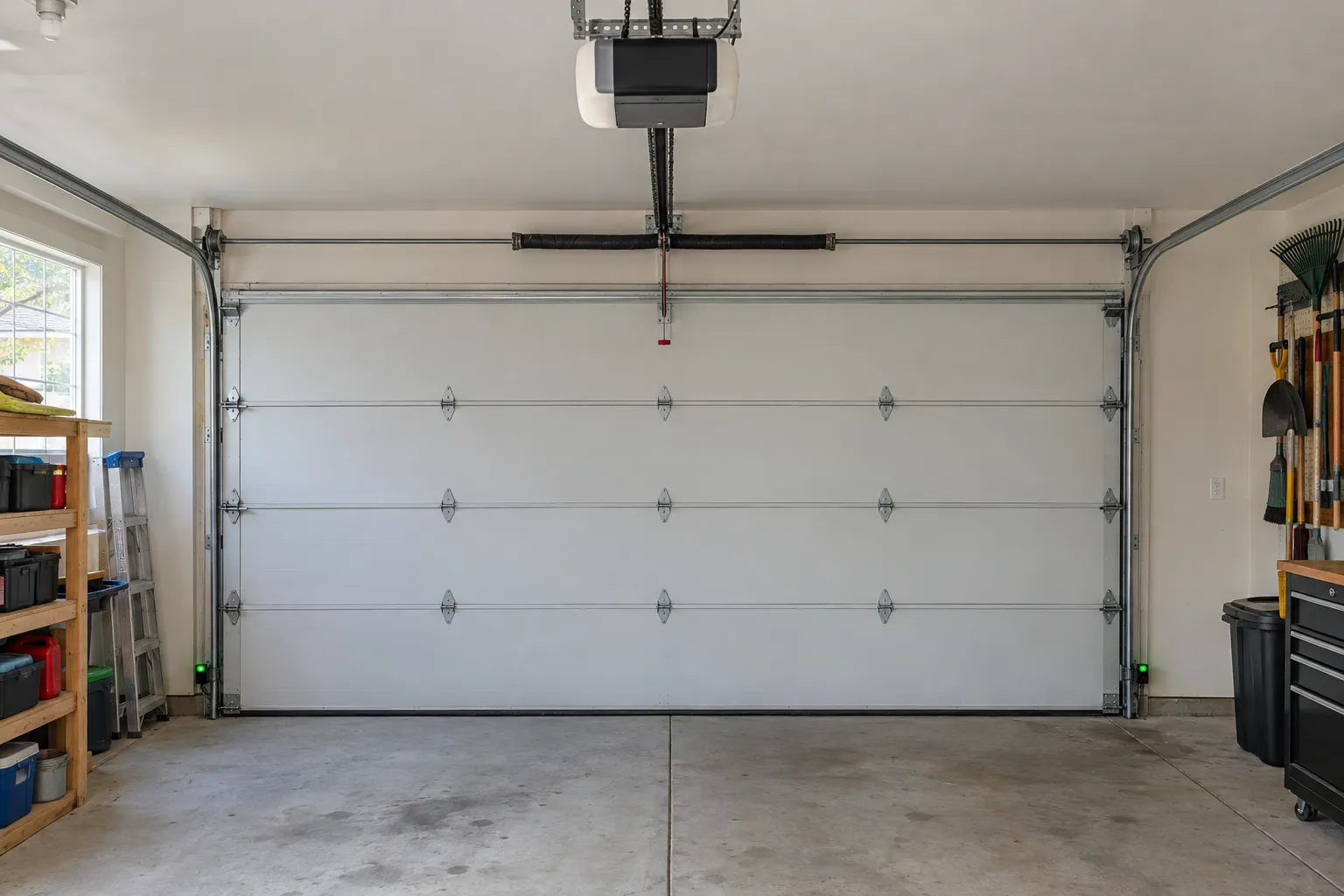
Most garage door openers that stop working have a simple cause: a dead remote battery, a blocked or misaligned safety sensor, a tripped outlet, or a wall console stuck in