By BMG Renovation Editors Fact-checked by Joyce Hartigan Published
Anyone who has patched a wall knows the real work of drywall repair is not the knife work. It is the waiting. A thin coat of all-purpose compound can need most of a day to dry in a cool room, and sanding too early tears the surface and sends you back a step. The trick is to plan the downtime as carefully as the repair itself.
Why rushing the second coat backfires
Compound shrinks as it dries. If you skim over a coat that is still soft underneath, the new layer seals in moisture, the patch stays tacky and hairline cracks appear a week later. Darker grey patches mean the coat is still wet; an even, pale colour is the signal you are looking for. A small fan and a slightly open window help, but a space heater pointed straight at the wall can make the surface skin over while the core stays damp.
Setting-type compound, the powder you mix with water, hardens by chemical reaction rather than evaporation, so it is the better choice when you need two coats in one evening. Just mix only what you can use before the working time printed on the bag runs out.
Jobs that fit neatly between coats
- Prep the next area: scrape loose paint, mark nail pops and drive a screw beside each old nail.
- Clean tools properly: dried compound on a taping knife leaves ridges in the next coat.
- Check the cause: a crack over a door frame usually points to movement, and a leak above a ceiling stain must be fixed before any patch.
- Buy primer: fresh compound soaks up paint differently from the surrounding wall, so it needs its own coat of primer.
Reading the fine print, on site and off
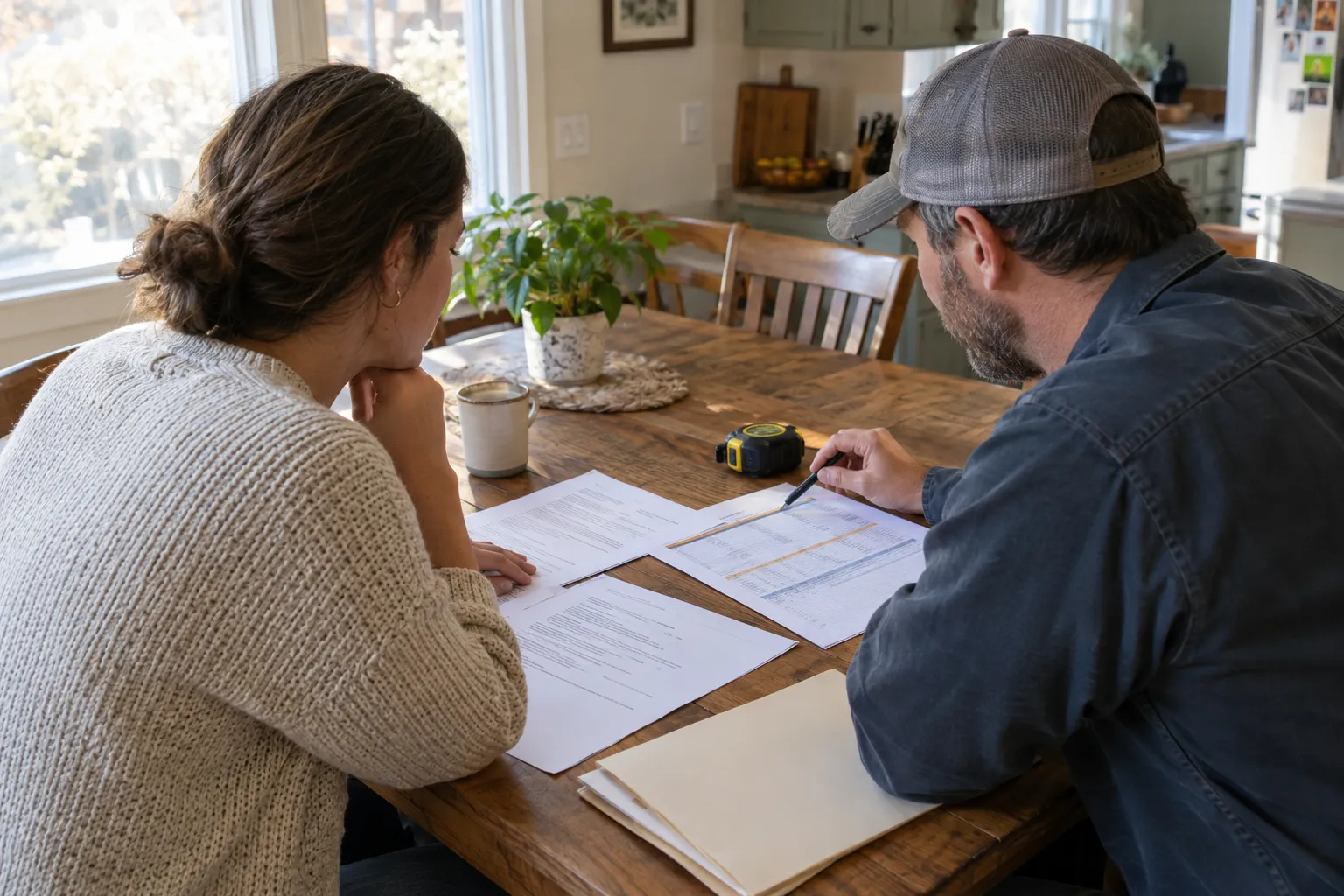
Experienced renovators read data sheets the way some people read contracts. Recoat times, temperature ranges and sanding grit are all printed on the bucket, and ignoring them is the most common reason a patch fails. That habit of checking conditions before committing carries over to the rest of life. A tiler on one of our bathroom jobs, originally from Budapest, spent his lunch breaks comparing offers on an online kaszinó bónusz page in Hungarian, and his rule was the same as on site: read the wagering conditions and time limits first, decide on a budget, and walk away if the terms are vague. Online casino play is for adults 18 and over only, and it should stay a small, planned pastime rather than a way to fund the next renovation.
Finishing without a visible patch
Once the final coat is dry, sand with a fine sanding sponge using light, circular strokes and hold a work light at a low angle against the wall. Shadows reveal ridges your eyes miss in flat light. Feather the edges well past the repair, wipe the dust with a barely damp cloth, then prime. Two thin coats of paint finish the job, and if the patch still flashes through, a third coat across the whole wall section usually blends it in.
Patience is the cheapest tool in the box. Give each coat the time it needs, use the gaps for prep, and a repair that looks like one evening of work will last for years.
Calculators for this job
About this article
- Published